A Career in Audio Visual: Roles, Skills and Career Opportunities


A career in audio visual (AV) means designing, installing, running and fixing the technology that lets people see, hear and communicate in a room. That could be a boardroom video call, a lecture theatre, a hotel ballroom or a live event. It is hands-on, varied work, and you do not need a degree to get started.
This guide covers what AV professionals actually do, the roles on offer, the skills employers look for and where a career in AV can take you.
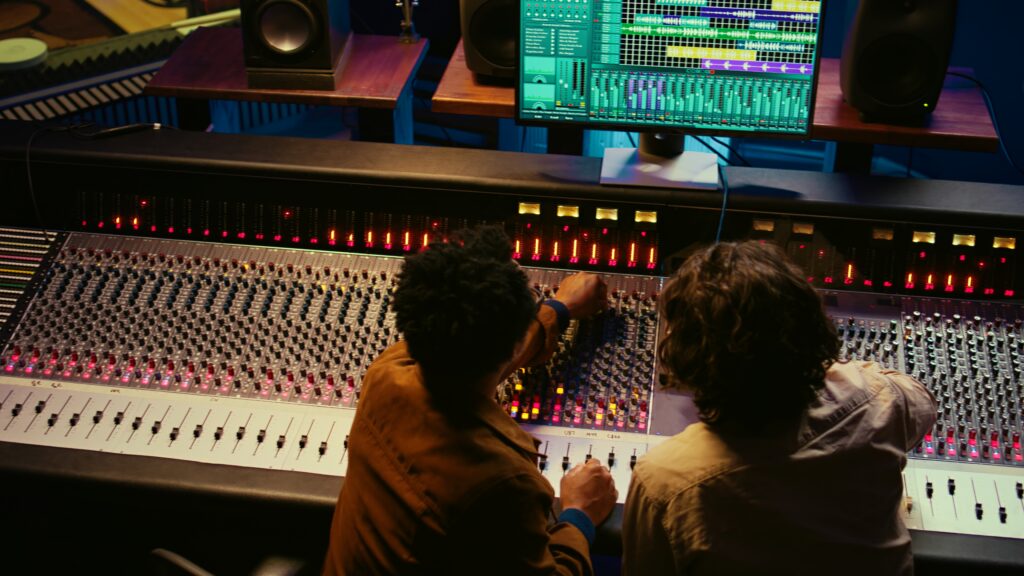
What does audio visual mean?
Audio visual covers the audio, video, control and networking systems that make a space work for the people in it. Think microphones and speakers, screens and projectors, cameras, video conferencing kit and the touch panels that let someone start a meeting with one tap. Almost every organisation with meeting rooms relies on it, and hybrid working has made dependable room technology a priority for many employers.
Audio visual roles: what jobs are there?
AV is a broad industry, so job titles vary between employers. These are the roles you are most likely to see advertised.
AV technician
Technicians set up, operate, look after and sometimes repair AV equipment, often at events, in corporate buildings, universities or hotels. It is the most common way into the industry, and the work is varied. One day you might be building a conference room setup, the next running sound and visuals for a live session.
AV installation engineer
Installation engineers fit AV systems on site. That means running cables, mounting displays, building racks and then testing everything until it works as designed. Most roles involve some travel, and many come with a company van.
AV service or field engineer
Service engineers keep installed systems running. They diagnose faults and carry out maintenance visits for clients who have an AV contract in place. Problem solving and a good manner with customers matter as much as technical knowledge here.
AV programmer
Programmers write the code behind control systems from manufacturers such as Crestron or Extron, so that a whole room can be run from a single touch panel. It is a more specialist route, and it is a skill that employers value.
AV designer and project manager
Designers plan systems from drawings and client briefs, while project managers keep budgets and timelines under control. These roles usually come after some years of hands-on experience.
Skills you need for a career in audio visual
Technical knowledge is the starting point. Employers want people who understand audio signal flow, displays, cabling and control systems, and who are comfortable with video conferencing platforms such as Microsoft Teams and Zoom. Networking is becoming more important too, as more AV equipment now runs over the same network as IT systems. According to ITJobsWatch, video conferencing is the skill most often mentioned in AV engineer job adverts outside London, appearing in around 78% of them.
Practical and people skills count just as much. Good problem solving, calm under pressure, neat cable management and the ability to explain things clearly to people who are not technical will take you a long way. Many roles also ask for a full UK driving licence and a reasonable level of fitness, as you will be lifting and moving equipment.
Qualifications and training
You do not need a degree to start in AV. Many people begin with an apprenticeship or an entry-level technician job, and others come in from IT support, electronics or live events backgrounds. Once you are working, the Certified Technology Specialist (CTS) qualification from AVIXA is widely recognised and is regularly asked for in job adverts. Manufacturer training, for example on control systems, can also set you apart.
For more on the entry-level role, see the National Careers Service job profile for audio visual technicians.
Career progression in audio visual
Progression in AV is fairly clear. Most people move from technician to engineer, then to senior or lead engineer, where they supervise teams and own projects. From there you can branch into programming, system design, project management or pre-sales. Others move into managing an AV department at a university or college, or into sales and account management for an integrator.
Where do AV professionals work?
- AV integrators, who design and install systems for corporate and education clients
- Live events and production companies
- In-house AV teams at universities and large organisations
- Residential AV, including high-end smart home installation
Is a career in audio visual worth it?
For the right person, yes. The work is practical, you see the result of what you do, and there are clear routes to specialise or move up. The trade-offs are real, though. Early starts, evening events, travel and heavy lifting come with some roles, and entry-level pay is modest. Our guide to AV technician salaries in the UK breaks down what you can realistically expect to earn at each stage.
Frequently asked questions
Do you need a degree to work in audio visual?
No. Most AV employers care more about practical experience, relevant training and the right attitude than a degree. Apprenticeships and entry-level technician roles are common starting points.
What does an AV engineer do day to day?
It depends on the role. An installation engineer might spend the day on site fitting and testing equipment, while a service engineer travels between clients fixing faults and carrying out maintenance.
Is audio visual a good career for the future?
Demand for reliable meeting room and event technology looks set to continue, particularly for people who combine AV knowledge with networking and IT skills.
Looking for your next AV role?
If you are looking for a role in audio visual, or you are hiring for one, the Prospero Integrated team recruits specifically in AV. Get in touch to talk through what you are looking for.
Latest Blog
No results found.....